
Call us now :08071931672
 Send Inquiry
 Send Inquiry
Hydraulic Paver Block Making Machine
Price 1881800.0 INR/ Unit
MOQ : 1 Unit
Hydraulic Paver Block Making Machine Specification
- Product Type
- Color Paver, Fly Ash Bricks
- General Use
- Paver Block Making Machine
- Material
- Concrete
- Capacity
- 1000 Pcs/hr
- Weight (kg)
- 3 Kilograms (kg)
- Type
- Other
- Computerized
- Yes
- Automatic
- Yes
- PLC Control
- Yes
- Method
- Hydraulic Pressure
- Vibration Type
- Mold Vibration
- Vibration Frequency
- 40 Hertz (HZ)
- Maximum Pressure
- 3000 PSI
- Machine Power
- 24 Horsepower (HP)
- Voltage
- 440 Watt (w)
- Dimension (L*W*H)
- 225x112.5x80 Millimeter (mm)
- Pallet Size
- 24x15x18mm
- Minimum Height
- 4 Inch (in)
- Maximum Height
- 8 Foot (ft)
- Number of Bricks
- 4
- Feature
- Low Weight, Fire Resistant, High Durability
- Color
- yes
- Warranty
- 1 Year
Hydraulic Paver Block Making Machine Trade Information
- Minimum Order Quantity
- 1 Unit
- Payment Terms
- Cash in Advance (CID)
- Supply Ability
- 2 Units Per Month
- Delivery Time
- 60 Days
- Sample Available
- No
- Main Export Market(s)
- Asia, Africa
- Main Domestic Market
- All India
- Certifications
- AN ISO 9001:2015 CERTIFIED COMPANY
Hydraulic Paver Block Making Machine About
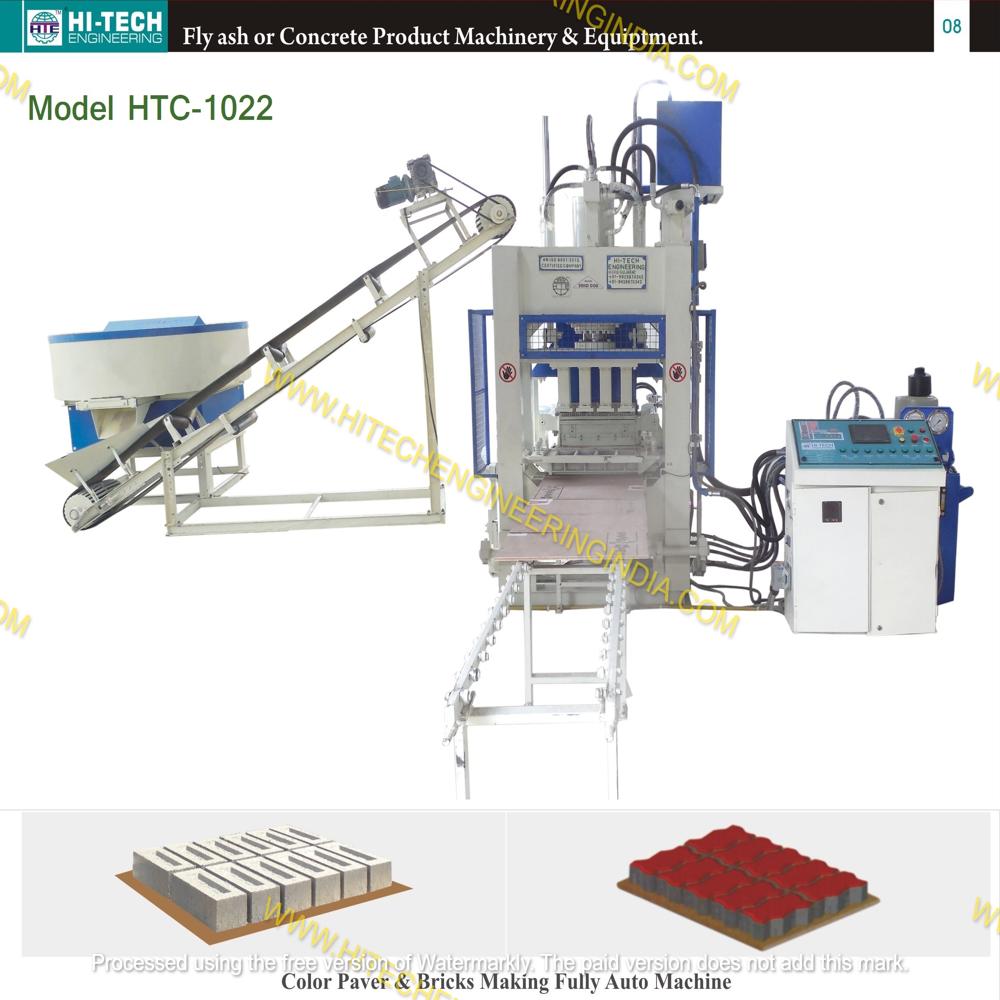
Model No. HTC-1022
1. High Pressure Tonnage: 80 MT + 2 HP Mould Vibro Pressure, German Technology.
2. Total Power Require: 24 HP, 18 KW, 14.63 KW, 3 Phases.
3. Oil Tank Capacity: 400 Liter, Grade 68 No. Hydraulic Oil,
4. Production per Shift 8 Hour: Color Paver 3500 to 3600 / Bricks 7000 to 7500.
5. Block per Stock: 3 Paver Block or depend on design / 4 Bricks, 230 X 110 X 75mm or as per requirement.
6. System: Vibration with pressure, Oil Chiller, Pallet Auto Cut, Varam System, Magnetic System, Special Oil Filter, Feeding & Mould Gap Adjustable Plate, etc...
7. Auto Color Feeding: Auto Double Feeder Attachment for Top Layer, Color Paver.
8. Pan Mixer: 5 Ft. 400 Kg Capacity, Heavy Duty (Roller & Blade), Powerful Worm Reduction Gear Box Transmission Unit.
9. Conveyor: Ft 18 X Width 18 Inch X Thickness 8mm, Dunlop/MRF Belt.
10. Color Mixer (Drum Type): Color Mixer for Top Layer of Paver Blocks.
11. Auto Pallet Stacker: (Gear Type) For Shifting & Arranging Green Bricks Pallet from Press to pallet Truck or Stacker System (If require).
12. Automatic PLC: Fully Auto PLC operating all system & Warranted safety system with HMI Display.
13. Note: Specifications are subject to change for improvement.
Cutting-Edge Hydraulic Technology
This paver block making machine utilizes advanced hydraulic pressure mechanisms, reaching up to 3000 PSI, ensuring every block is uniformly dense and durable. The automatic, computerized control with PLC offers high precision, minimizing human error and maintaining consistent product quality. High vibration frequency accelerates settling and shaping for perfect, fire-resistant concrete pavers.
Optimized Productivity and Efficiency
Engineered to deliver up to 1000 blocks per hour, the machine's 24 HP engine and mold vibration at 40 Hz maximize output without sacrificing quality. Its efficient design, coupled with a manageable weight and quick cycling, allows manufacturers and suppliers to meet large-volume orders while minimizing labor and operational costs.
FAQ's of Hydraulic Paver Block Making Machine:
Q: How does the hydraulic pressure system improve the quality of the paver blocks?
A: The hydraulic pressure system, operating at up to 3000 PSI, compresses the concrete mixture uniformly in each mold, resulting in denser, more durable, and crack-resistant blocks. This method outperforms manual techniques, ensuring higher structural integrity and longevity.Q: What is the complete process for making paver blocks with this machine?
A: The process includes preparing the concrete mixture, loading it into the mold, and using mold vibration at 40 Hz for even distribution. The hydraulic system then applies pressure, shaping the blocks. The automatic PLC control streamlines the cycle, ensuring consistent block size (225x112.5x80 mm) and quality before blocks are removed for curing.Q: When should routine maintenance be performed on this machine?
A: Routine maintenance is generally recommended every month or after producing a set volume of paver blocks, as outlined in the manufacturer's guide. Key tasks include checking hydraulic fluid levels, inspecting hoses for leaks, and calibrating PLC control systems to ensure safe and continuous operation.Q: Where can this hydraulic paver block making machine be effectively used?
A: This machine is ideal for use at medium- to large-scale manufacturing units, construction sites, and supplier facilities across India. Its compact dimensions and mobility make it suitable for both urban and semi-urban areas with adequate electrical supply (440 watt, three-phase).Q: What are the user benefits of its automatic and computerized operation?
A: Automatic and PLC-controlled operation reduces manual labor, minimizes operational errors, and increases production speed. Computerization enables easy monitoring, program adjustments, and error diagnostics for a smoother workflow and higher block output.Q: How is the fire resistance and durability of the blocks ensured?
A: The combination of hydraulic pressing and vibration compaction results in tightly-bound concrete blocks that resist cracking and warping. This increases their fire resistance and overall durability, making the pavers suitable for demanding environments.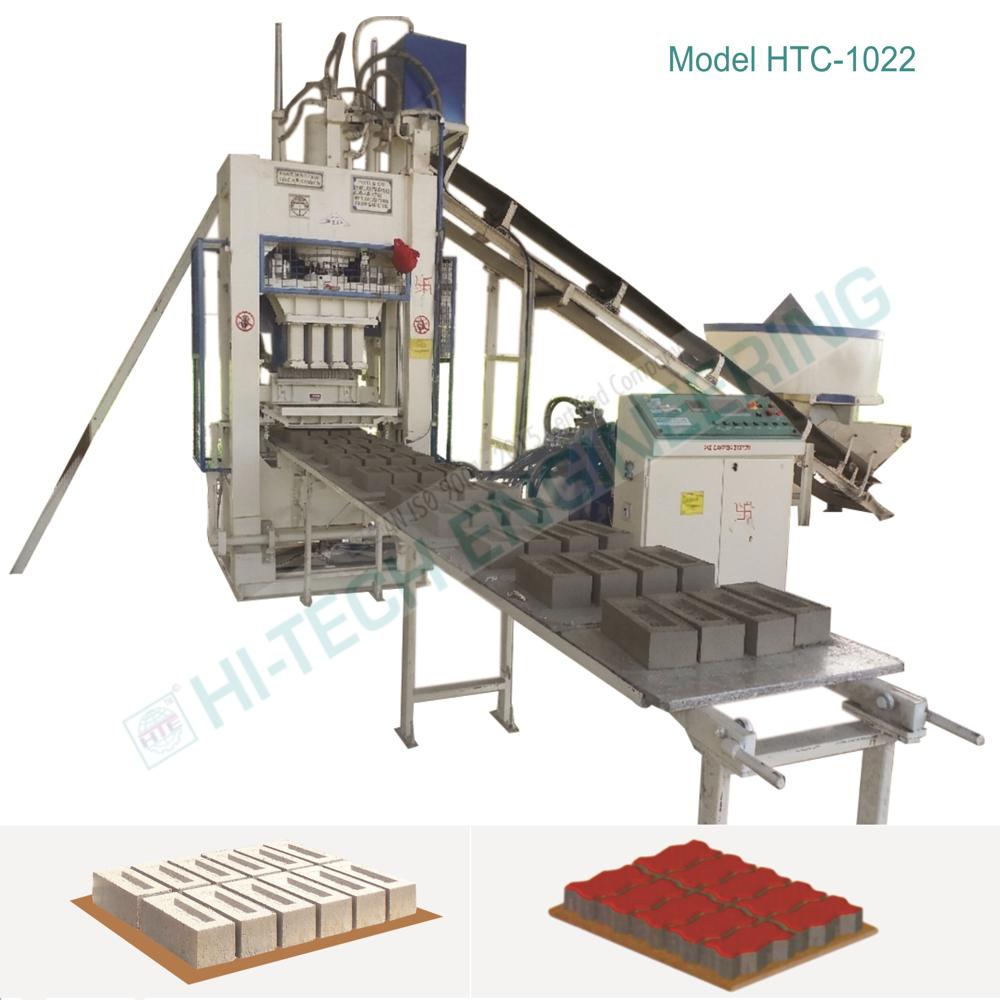
Tell us about your requirement

Price:
Quantity
Select Unit
- 50
- 100
- 200
- 250
- 500
- 1000+
Additional detail
Mobile number
Email

More Products in High Pressure Paver Block & Bricks Machine Category
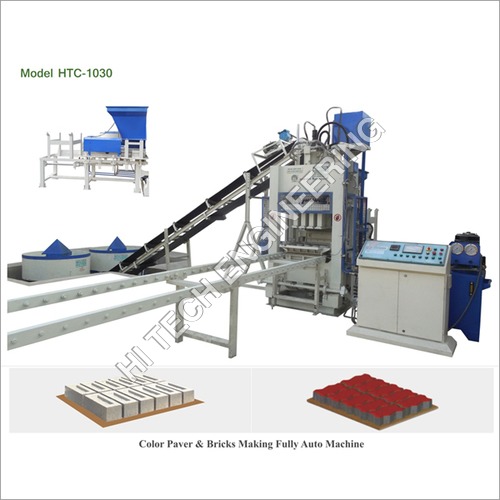
High Pressure Paver Block Machine
Price 2671800.0 INR / Unit
Minimum Order Quantity : 1 Unit
Dimension (L*W*H) : 225x112.5x80 Millimeter (mm)
Type : Solid Brick Making Machine
Method : Hydraulic Pressure
Feature : Low Weight, Fire Resistant, High Durability
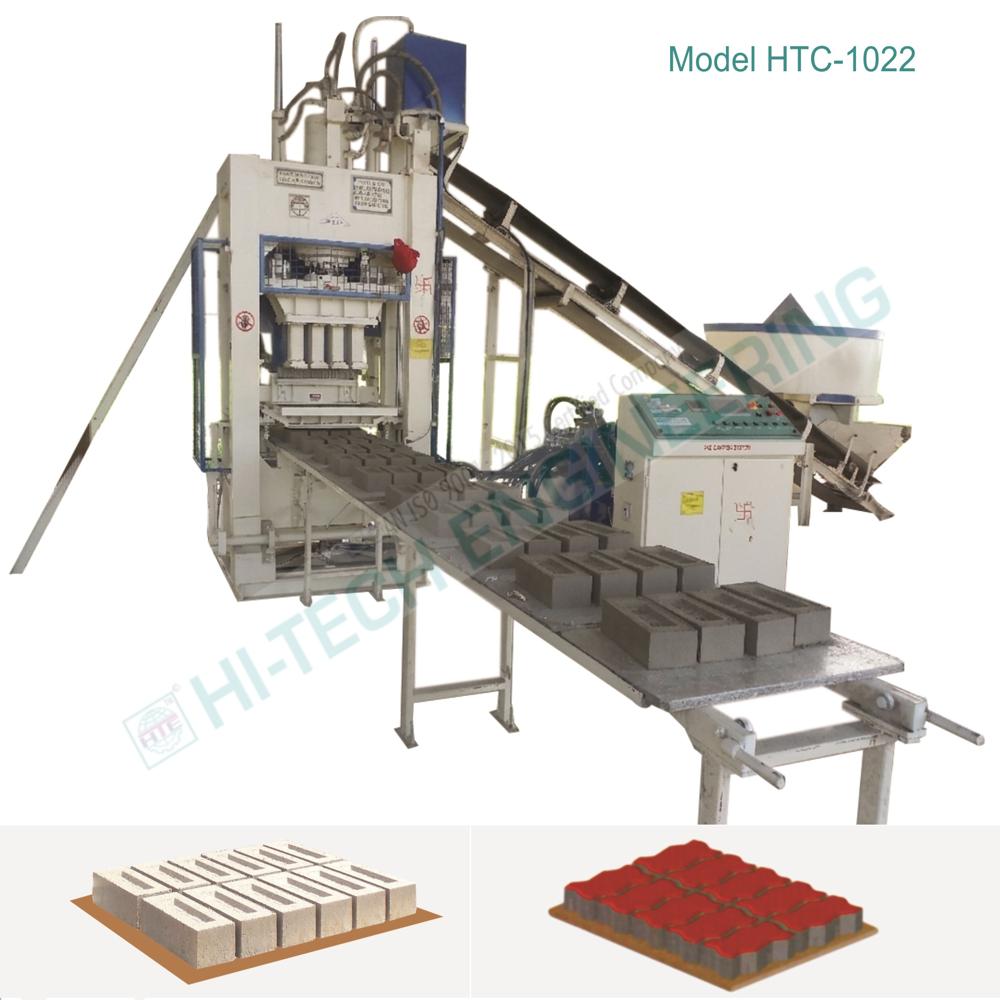
Paver Block Making Machine
Price 1881800.0 INR / Unit
Minimum Order Quantity : 1 Unit
Dimension (L*W*H) : 220x110x80mm Millimeter (mm)
Type : Other, Hollow Block Making Machine
Method : Hydraulic Pressure
Feature : High Durability
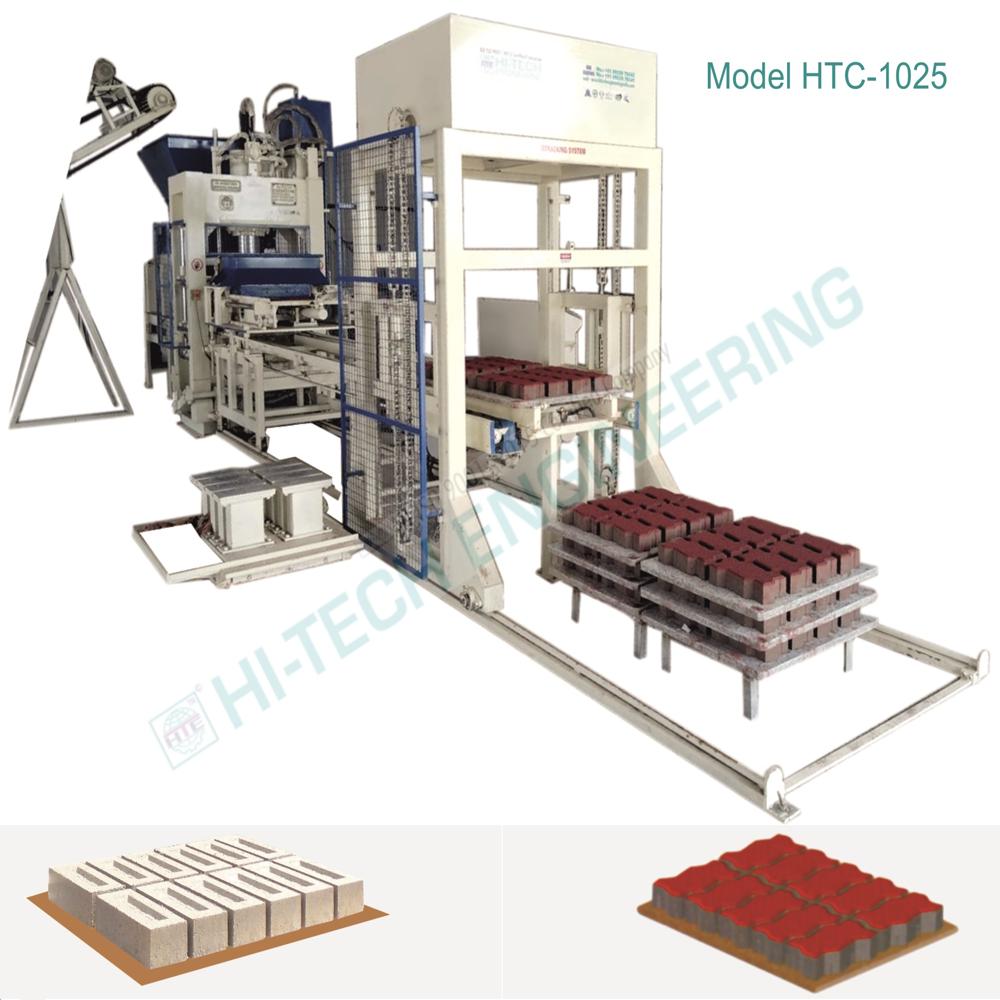
Automatic Paver Block Making Machine
Price 2973900.0 INR / Unit
Minimum Order Quantity : 1 Unit
Dimension (L*W*H) : 225x112.5x80 Millimeter (mm)
Type : Other
Method : Hydraulic Pressure
Feature : Low Weight, Fire Resistant, High Durability
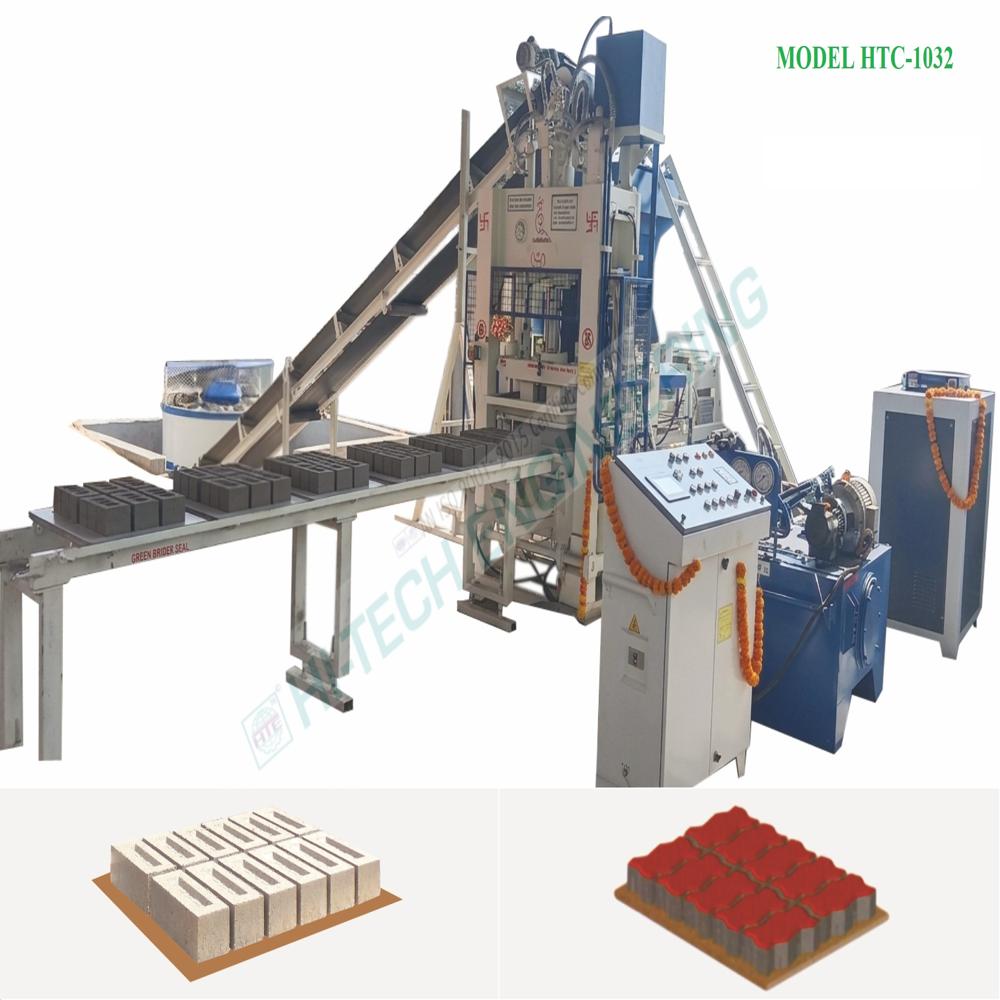
automatic paver block machine
Price 2208400.0 INR / Unit
Minimum Order Quantity : 1 Unit
Dimension (L*W*H) : 225x112.5x80 Millimeter (mm)
Type : Other
Method : Hydraulic Pressure
Feature : Low Weight, Fire Resistant, High Durability


 Send Inquiry


Our Products
- Automatic Fly Ash Brick Making Machine
- Concrete Block and Brick Making Machine
- Vibro Press Bricks Block Machine
- High Pressure Paver Block & Bricks Machine
- Semi Auto Paver Block Making Machine
- Demoulding Interlocking Block Making Machine
- Vibrator Table Plan For Paver And Tiles
- Pan Mixer Machine
- Miller Mixer Machine
- Color Mixing Machine
- Weight Batcher Plant
- Plastic Recycle Pallet
- Pvc Rubber Mould
- Paver Block Color & Chemical
- Hydraulic Power Pack
- Hydraulic Cylinder
- Material Handling Trolley
- Conveyor With Belt
- Steel Mould
- Disintegrator Machine


Plot No. - 6, Morbi Rajkot Highway, Near Ajanta Clock,Morbi - 363641, Gujarat, India

Mr. Vandan Ajit Mori
(Partner)
Mobile :08071931672
Mr. Piyush Mori
(Production Manager)
Mobile :08071931672
Mr. Jaydev Mori
Mobile :08071931672
 Send Inquiry
 Send SMS
 Call Me Free
Developed and Managed by Infocom Network Private Limited.
 English
 Spanish
 French
 German
 Italian
 Chinese (Simplified)
 Japanese
 Korean
 Arabic
 Portuguese